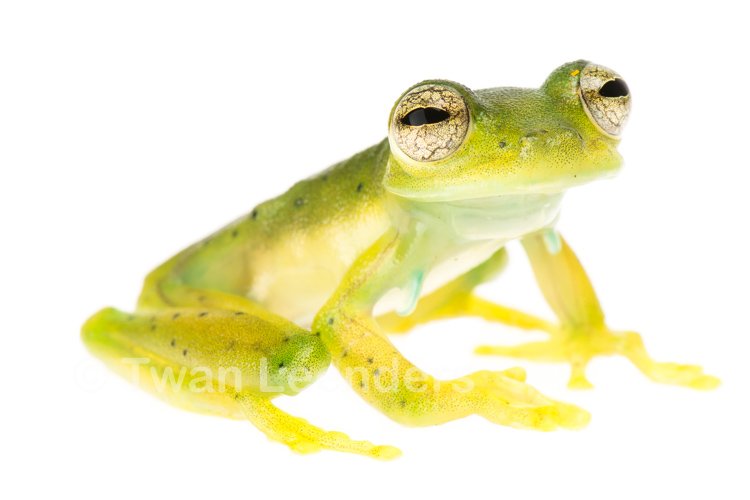
Glass Frogs
One of the most fascinating amphibians on Earth—famous for their see-through skin, especially on their undersides, where you can actually see their heart, liver, and digestive system.
Family: Centrolenidae
Common name: Glass frogs
Species: Over 150 known species
Glass frogs are found in Central and South America, especially in:
Costa Rica
Panama
Colombia
Ecuador
Peru
They prefer humid tropical rainforests, usually near fast-moving streams.
Transparent belly: Their most iconic trait—organs visible through skin
Bright green backs: Helps them blend into leaves
Nocturnal: Active mostly at night
Sticky toe pads: Perfect for climbing vegetation
Females lay eggs on the underside of leaves hanging over streams
When the eggs hatch, tadpoles drop into the water below
Many males guard the eggs, protecting them from predators and fungus
Some species can hide their red blood cells in their liver when resting, making them even more transparent
Their translucency helps them avoid predators by blending into their surrounding
Many glass frog species are:
Threatened by deforestation
Sensitive to climate change
Impacted by diseases like Chytridiomycosis
Glass frogs are important indicators of environmental health. Because they need clean water and stable habitats, their presence often means an ecosystem is doing well.