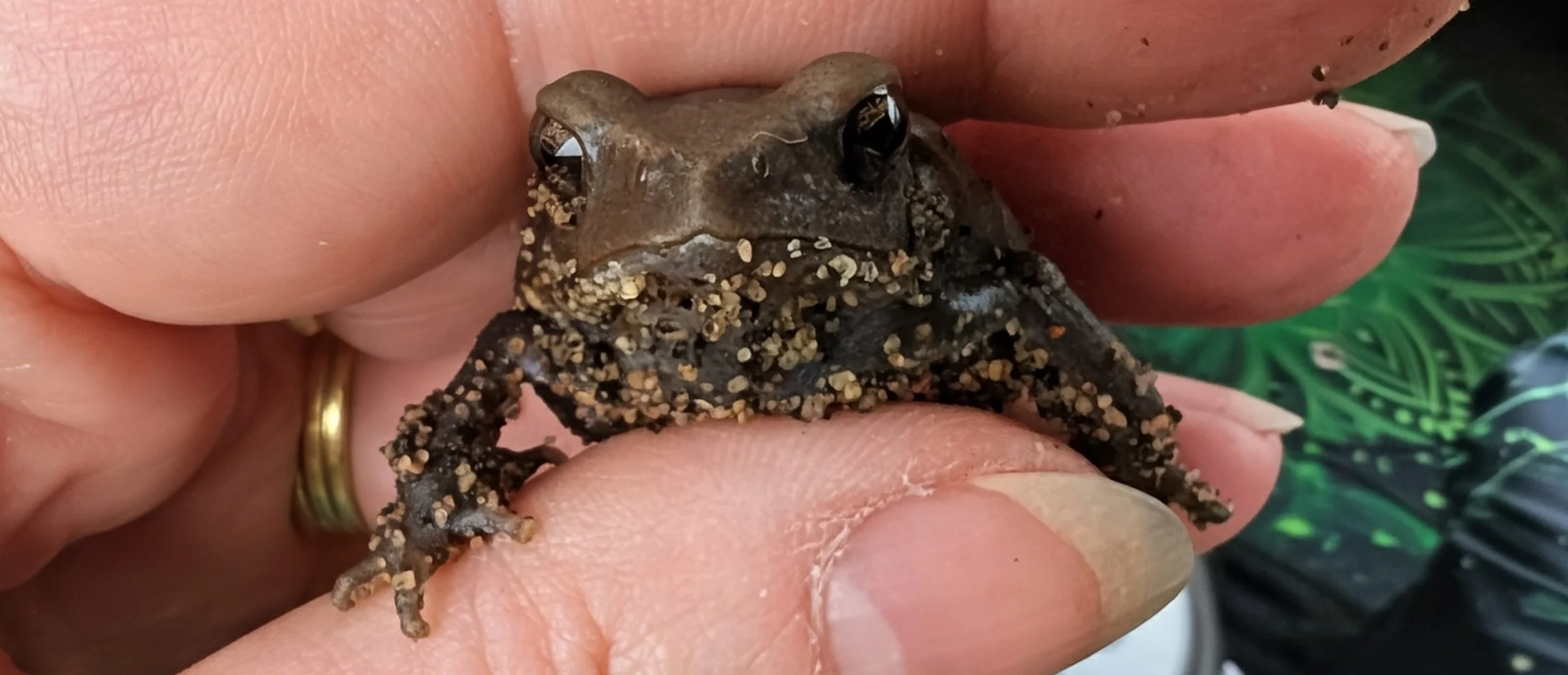
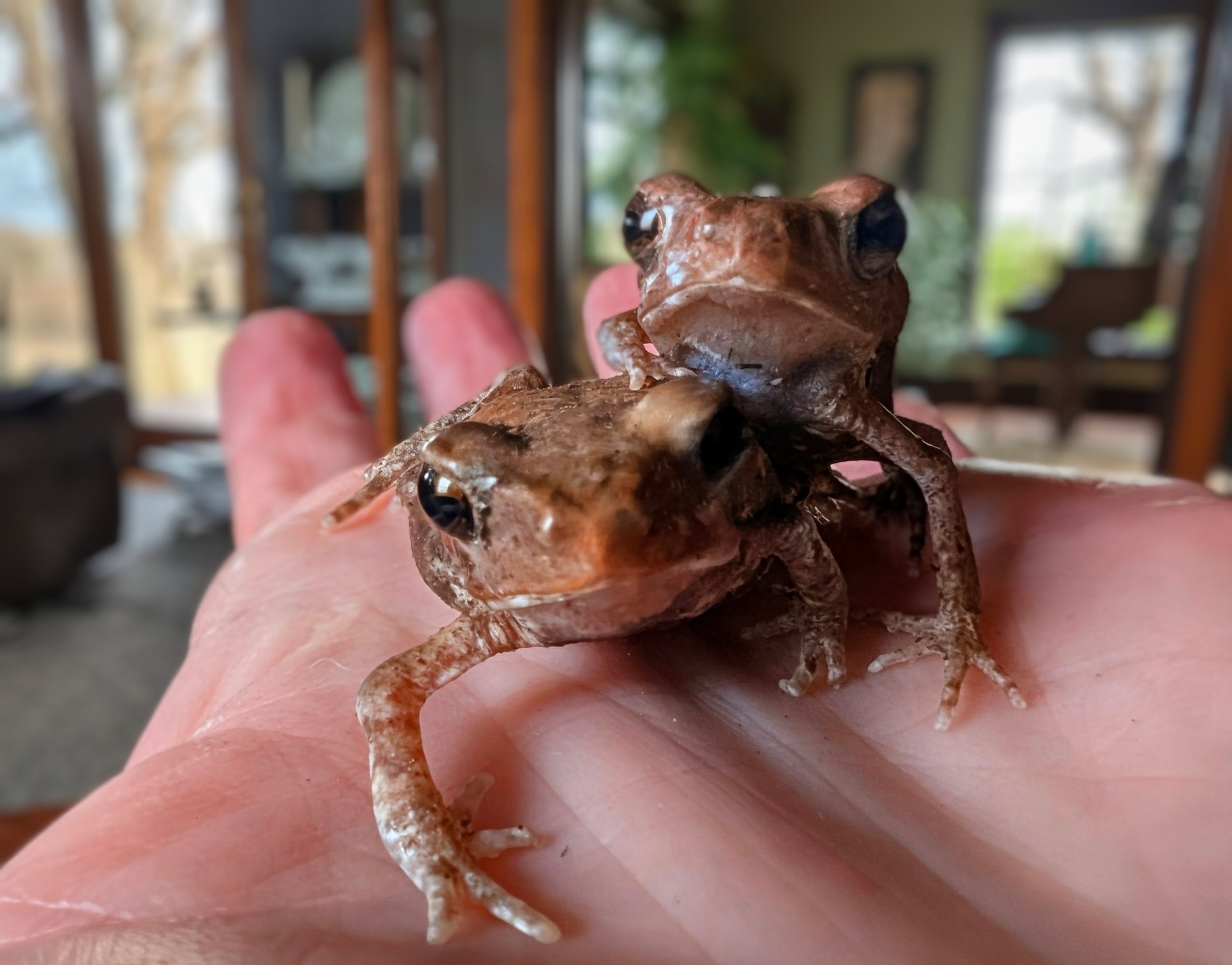
Smooth-Sided Toads
(Rhaebo guttatus) is a large rainforest toad from South America. Unlike many bumpy-skinned toads, this species has relatively smooth skin, which is where it gets its common name.
Basic Facts
Scientific name:Rhaebo guttatus
Family: Bufonidae (true toads)
Size: About 4–7 inches (10–18 cm) long
Lifespan: Around 10–15 years in captivity
Native range: Northern South America (Brazil, Guyana, Suriname, Venezuela, Colombia, and parts of the Amazon Basin)
What They Look Like
Smooth-sided toads are usually brown, reddish-brown, or gray, sometimes with darker spots. Their bodies are thick and heavy, and they have large poison glands (parotoid glands) behind their eyes that can look slightly orange or yellow.
Despite their name, they’re not perfectly smooth — they just have much smoother skin than most other toads.
Habitat
These toads live in tropical rainforests, usually:
On the forest floor
Near streams or temporary pools
Hidden under logs or leaf litter
They prefer humid environments and are mostly active at night.
Diet
Smooth-sided toads are opportunistic predators, meaning they eat almost anything they can swallow.
Common foods include:
Insects
Beetles
Worms
Spiders
Small frogs
Occasionally small vertebrates
They sit and wait for prey, then snap it up with a quick tongue strike.
Defense and Toxins
Like many toads, they produce defensive toxins from their parotoid glands.
When threatened they may:
Inflate their body
Raise their head
Release toxins from the glands
These toxins can irritate predators' mouths and eyes, helping keep them safe.
Reproduction
During the rainy season, males call near water to attract females. After mating:
Females lay long strings of eggs in water.
Tadpoles hatch and live in the water until they transform into tiny toads.
Fun Fact
Smooth-sided toads are known to make a surprisingly loud call for such a heavy toad — a deep, resonant sound that carries through the rainforest at night.
✅ Did you know?
This species used to be classified in the genus Bufo, but scientists later moved it to Rhaebo after genetic studies showed it was different from many other toads.